Design Process
Based on theory provided, design process to my understanding is the process of 4 different phases:
- Understand: Declaring a problem and clarifying the known/unknowns/challenges/conditions within the problem. Basically making sense of the problem determined.
- Plan: Knowing the problem, create a series of ideas, patterns or previously existing examples. This is then used to create clear steps for execution.
- Try: “Build, test or model your idea” and revise when things do not work out as expected.
- Reflect: Look back and identify key improvements steps.
In order to attempt to understand and breakdown the process, I aligned this with Design Thinking 101, which is a method used in Human Centered Interaction courses for our projects and assignments. This process breaks down into 6 items instead of 4 and was coined by the Neilsen Norman Group.
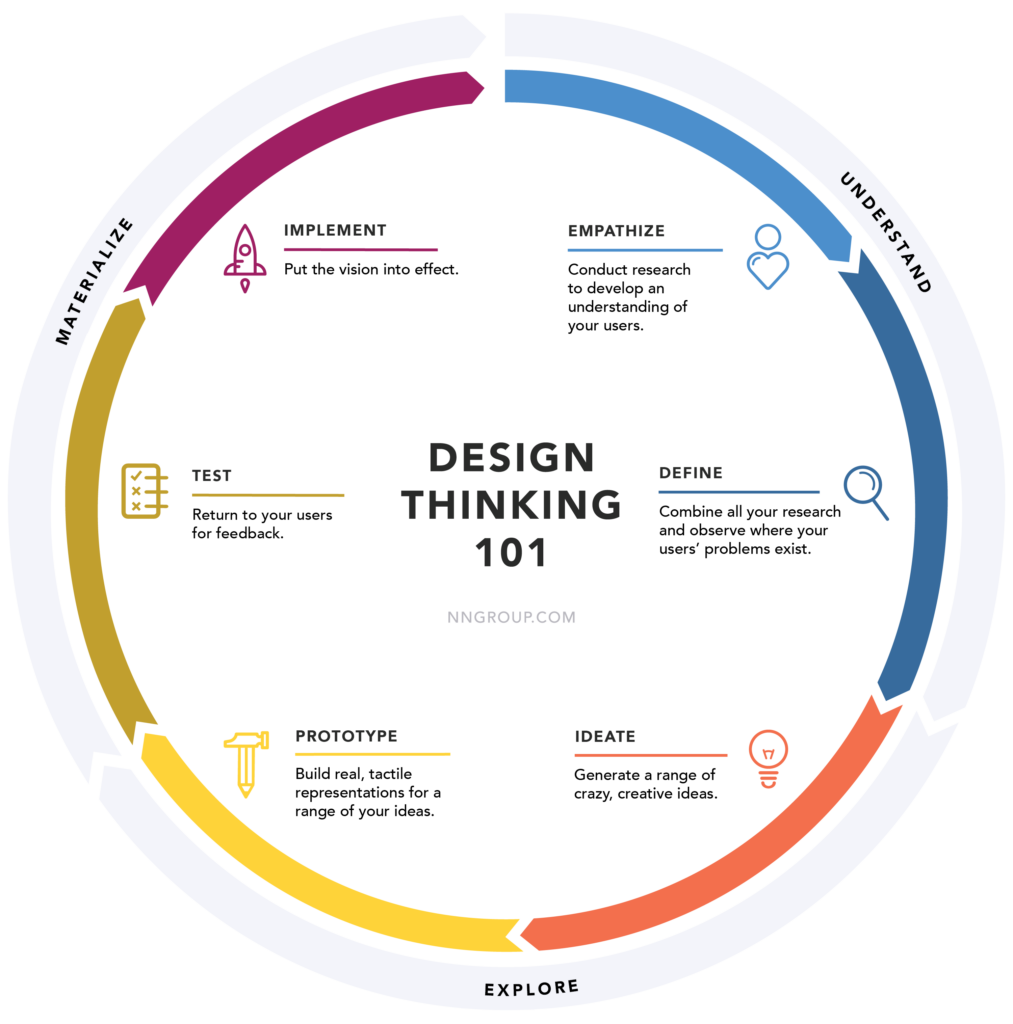
Figure 1: Neilsen Norman Group’s Design Thinking 101
I can see that Design Process take into account an additional step called “Reflection”, which points out improvements over the whole process.
Improvements over the challenges
Challenge A Process
My process in challenge A was to fill out the template and response to the activities accordingly. In order to identify improvements, I relied heavily on the peer feedback and the final product feedback.
I can see 1 problem with my process, I was in effect working in a silo, even though I received peer feedback, my peers were not working on the same topic, and could not provide domain-level expertise to what I chose to cover. This lead to my final work and prototype having cognitive-load-heavy content, which was one of the final feedback I received.
Challenge B Approach
For the next challenge, this is a collaborative effort between me and my teammates, I’m taking a different approach to the original method of going through the 4 topics. I embedded Iteration within my approach, upon prototype or any phases of the completed product, I go through the teammate and peer feedback to align and validate with the concrete feedback I already received from the user. Heavily emphasizing on Iterations instead of the one-and-done approach.

Leave a Reply to theresetaruc Cancel reply